

|
Wedge (Door Wedge)
Baseboard Stopper (Wall Mount Stopper)
Floor-Mounted Stopper
|
Hinge Pin Stopper
Magnetic Door Stopper
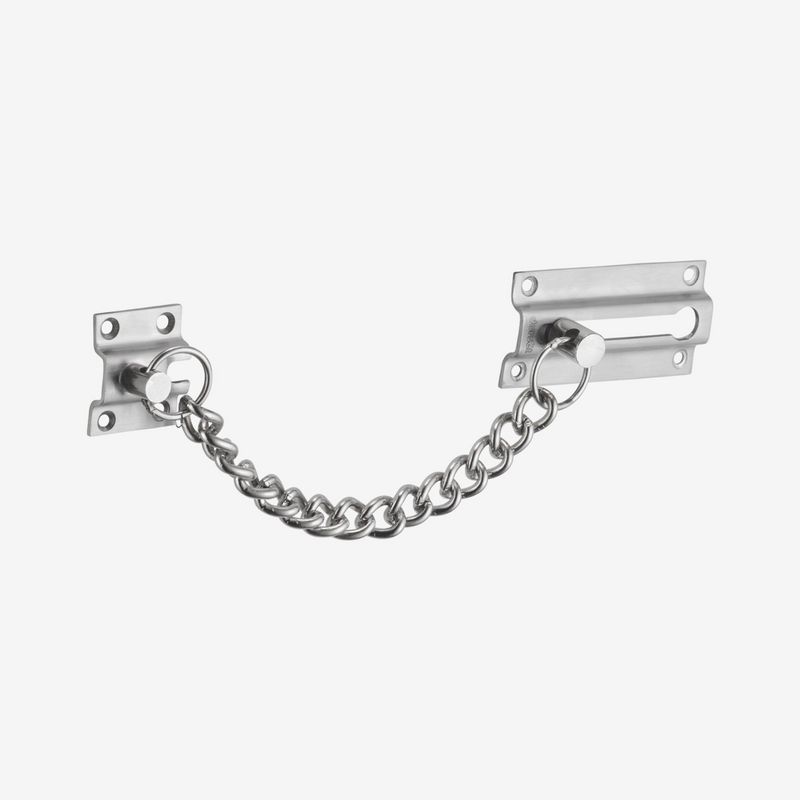
Hook and Eye Stopper
|
Kickdown Door Stopper
Soft-Catch / Hydraulic Stopper
🧰 MATERIALS USED
🧭 WHERE TO PLACE DOOR STOPPERS
🛠️ INSTALLATION TIPS
- How it works: A lever you kick down to press against the floor.
- Use case: Can engage/disengage easily without bending down.
- ✅ Pros: Convenient for frequent use.
- ❌ Cons: Requires permanent door installation.
Soft-Catch / Hydraulic Stopper
- How it works: Uses hydraulic pressure or internal dampening to slow door closing and hold it in place.
- ✅ Pros: Prevents slamming; good for quiet environments.
- ❌ Cons: Higher cost; complex installation.
🧰 MATERIALS USED
- Rubber: Non-slip, flexible (common for wedges or baseboard types).
- Plastic: Lightweight and affordable.
- Metal (Steel, Brass, Aluminum): Durable; often used in permanent mounts.
- Wood: Traditional look, mostly in wedges.
- Foam/Silicone: Used for soft bumpers or child safety.
🧭 WHERE TO PLACE DOOR STOPPERS
- Wall Protection: Behind the door (baseboard/wall).
- Floor Stop: Near the door swing arc.
- Under Door: For wedges.
- Hinges: For internal stopping control.
- Outdoor Windy Areas: Use hook-and-eye or magnetic types.
🛠️ INSTALLATION TIPS
- Mark the swing arc before installing fixed stoppers.
- Use anchors if mounting on drywall.
- Clean the floor before using wedge types to prevent slipping.
- Use rubber padding to prevent scratching.